Auction highlight

Auction highlight
Turning Followers into Collectors with Online Auctions
See how artists like Jobey Hon and Werner Bronkhorst use online auctions to turn Instagram followers into collectors and build a lasting bidder database.
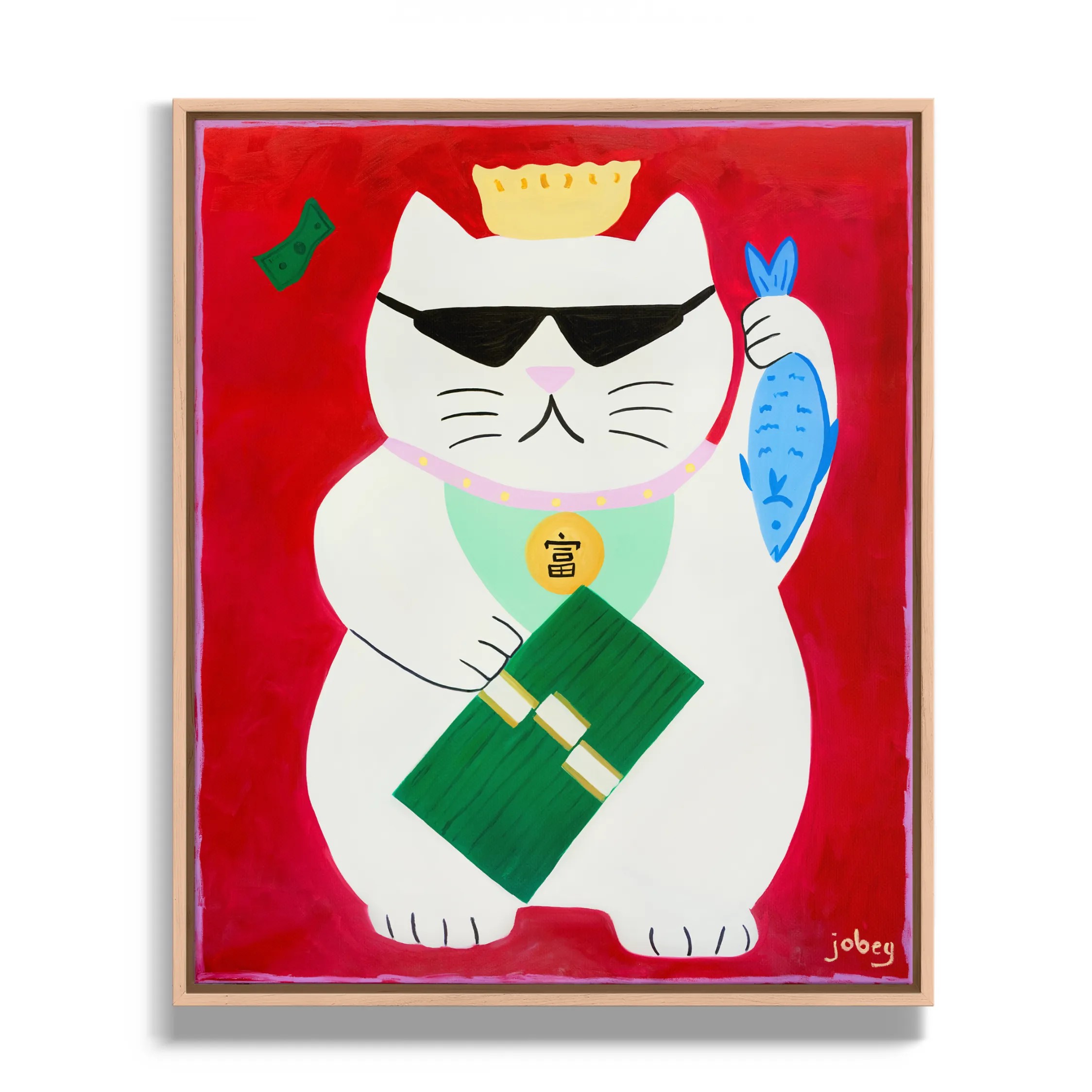
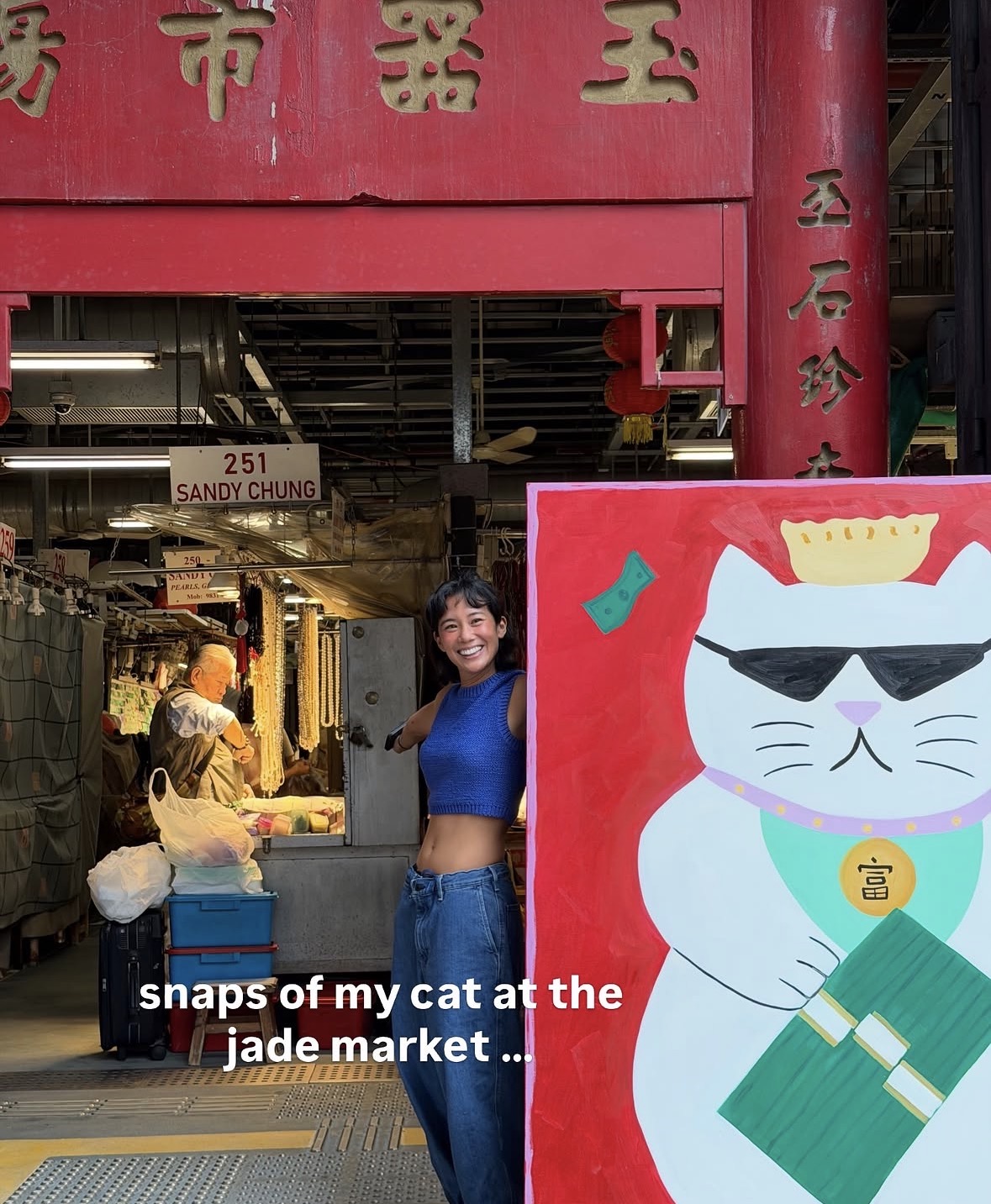
Jobey Hon, CHINESE LUCKY CAT, 2025, oil and oil stick on canvas, 150 x 180cm. Image courtesy of the artist.
Turning Followers into Collectors with Online Auctions
At The Auction Collective, we’ve spent almost a decade helping artists run their own live and online auctions using our white-label auction software, Indy.auction, and since 2017, we’ve seen an increase in auctions moving from in-person live events to online affairs.
Historically, live auctions operated within physical rooms with an auctioneer and a gathering of collectors bidding on lots. The transition to online auctions has expanded this framework, encouraging artists and collectors alike to embrace digital channels through timed bidding, live-streamed sales, and global bidder access. Artists have moved in parallel, relying less on traditional gallery models and opting to independently showcase their work on social media, growing their audience to an international following.
This presents an unique space to explore: how artists have utilised their social following with evolving auction formats, which have moved away from exclusive live events into open, timed, social-native experiences. Online auctions have become a valuable method to directly engage with a follower base, and when deployed on independent software platforms such as Indy.auction, the modern auction serves as both a direct sales mechanism and a long-term collector acquisition tool.
Building a social media presence has become an integral way for the contemporary artist to engage with collectors and grow their audience.
Auctions-as-Content: converting followers to collectors
Historically, artists would be dependent on traditional institutions to both find buyers and host a physical location where auctions can take place. Social media and digital representation eliminates these traditional ceilings, allowing artists to run self-directed sales for international audiences.
The innovation of online auctions has developed in tandem with that of social media, and now many artists use auctions as an engaging content format to grow their collector base. Online auctions attract follower engagement largely due to the competitive elements of bidding, and by providing followers a clear opportunity to acquire an art work.
At The Auction Collective, we’ve seen artists such as Jobey Hon use self-hosted auctions as a form of content which also easily converts passive followers to an active collector base. Prior to running auctions, Jobey Hon established a large following on Instagram through creating reels and posts which showcased her personality and artwork. Through a combination of behind-the-scenes and day-in-the-life content, Jobey amassed a 75.9k strong community who actively engaged with her.
In April 2026 Jobey used Indy.auction to create an online auction, titled ‘CHINESE LUCKY CAT’. Hon used a single-lot template to spotlight the work, and used a four day window across a long weekend to maximise bidding potential. Crucially, Hon expertly marketed the auction to her social media following before and during the auction. Ahead of the auction opening, Jobey teased the painting in her Instagram posts by first showing glimpses of it in the background of studio photos.
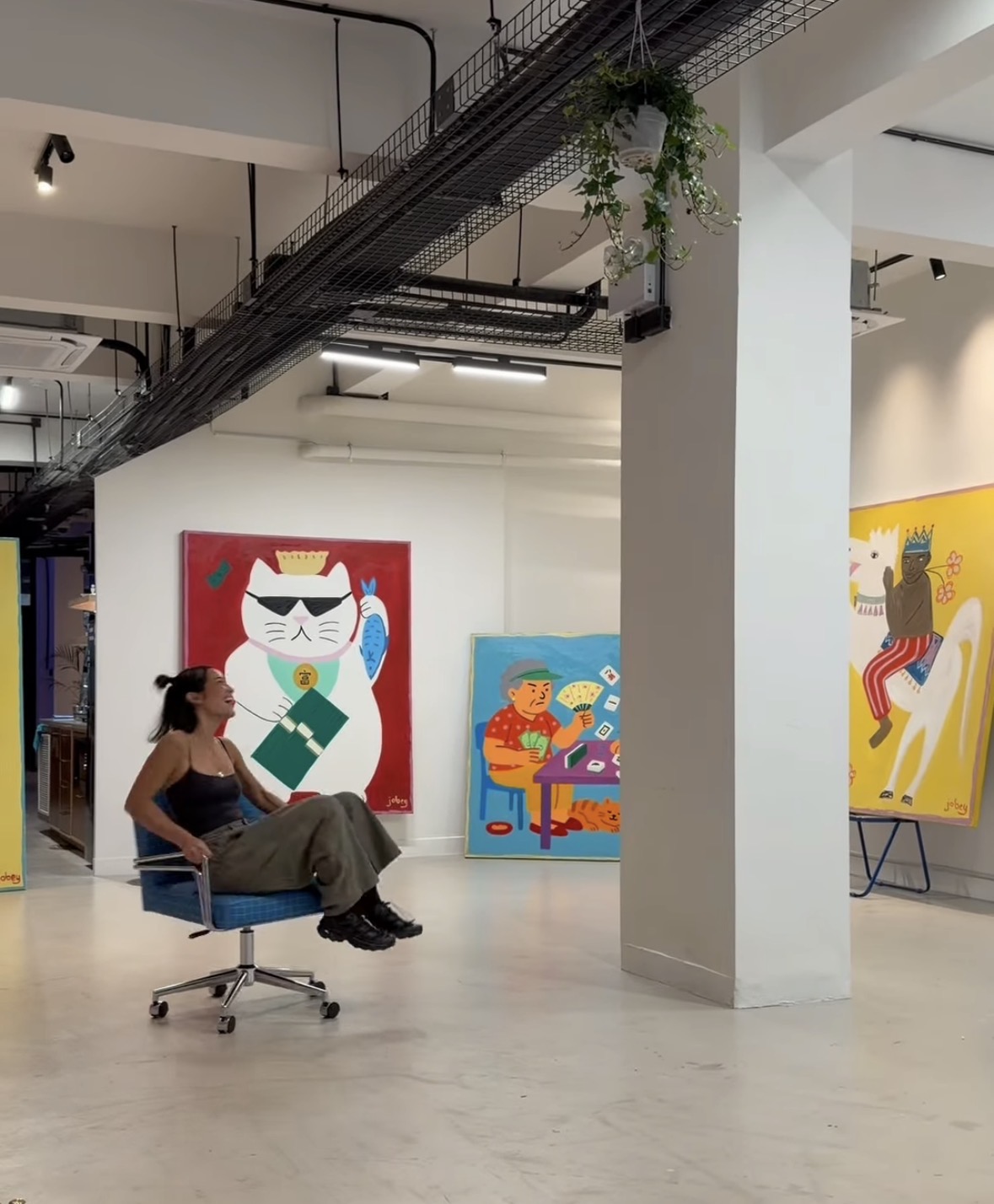
Hon then progressed to producing reels about the painting, creating video content which showcased the piece in a real world environment. This effectively stirred up hype around the painting, which primed her audience for the auction announcement. The playful and visually stimulating feel of Hon’s content matched her art style, which made the auction posts feel less like overt promotion and more inline with Hon communicating directly with her followers. By harnessing the auction as engaging content Hon captivated her audience and drove them to bid in the auction, resulting in 15 registered bidders and a final auction result of $16,000.
The shareability of an online auction allows for dynamic promotion which is decided by the artist, rather than a more rigid format determined by an intermediary. Like Jobey Hon, the artist Alvarog utilised his auction as an engaging form of Instagram content. Mobilising over 30,000 Instagram followers, Alvarog gamified a single-lot auction by hiding a keyword within a reel posted to tease the auction release. Followers were directed to find the word and post it in the comments, after doing so Alvarog would send them a direct message with a link to the auction.
This structure of promotion increased the comment engagement on Alvarog’s posts, and allowed him to communicate directly with his followers to effectively build relationships. By using this gamified approach, Alvarog was able to capture the attention of his audience and drive high-intent buyers into the private auction.
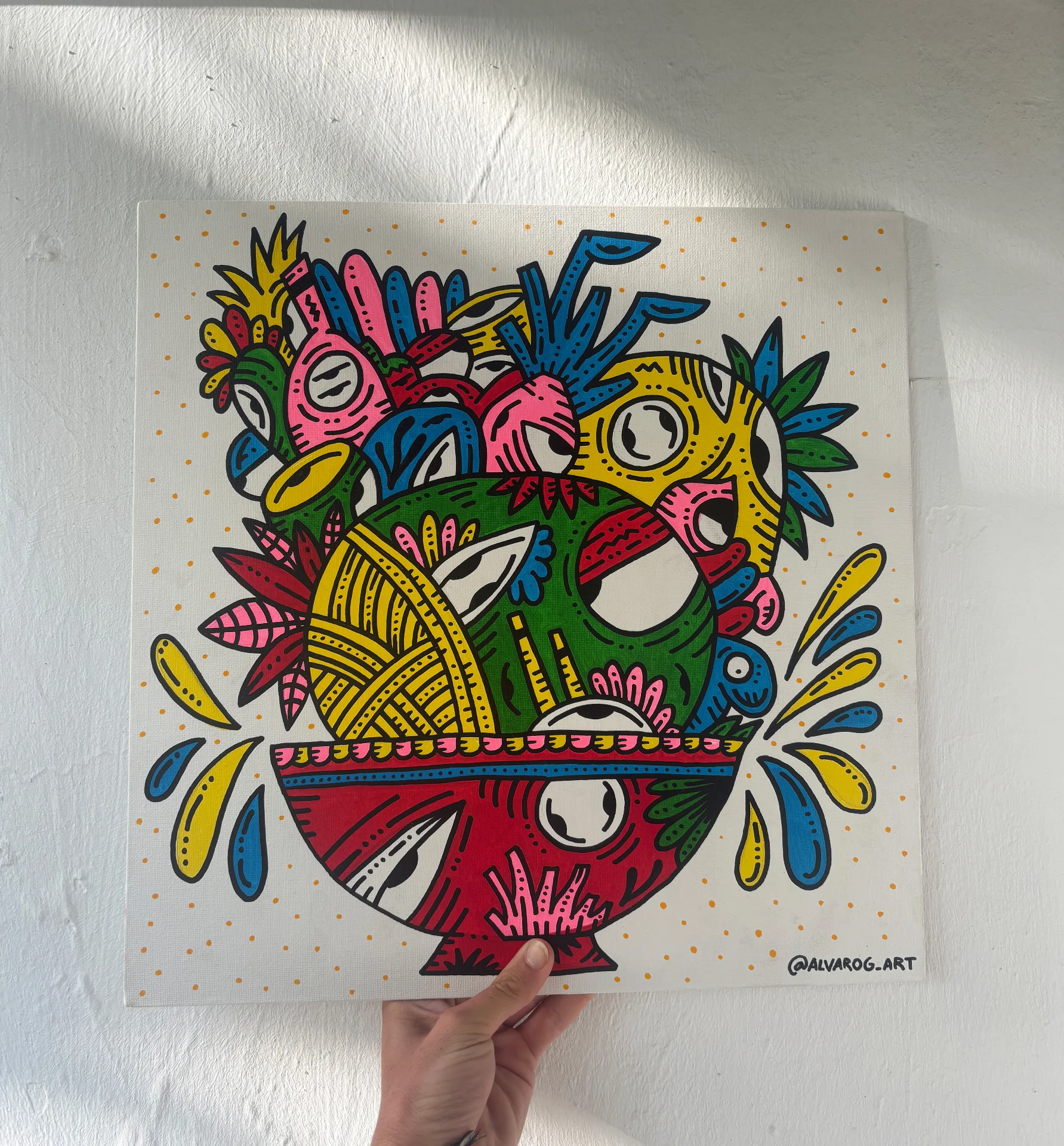
Alvarog, SOBA CONNECTION, 2026, acrylic on canvas, 40 x 40 cm. Image courtesy of artist.
Why auctions work well for studio sales
Auctions typically have starting bids which are lower than the established market price of a piece to encourage competitive bidding, making an auction an opportunity to potentially acquire a work at a more affordable price. This allows an artist to cast a wider net of potential collectors for their auction by not eliminating bidders through higher costs.
Attractive pricing works particularly well for artists running studio sales, whereby an artist clears out their studio to make room for new works or projects. Studio sales often feature smaller experimental works and studies which inform a larger body of work.
Marcus Aitken is an internationally acclaimed painter, with his work highly sought-after around the globe. He hosts seasonal studio sales with Indy.auction, offering his paintings at accessible prices which allows fans of all budgets to collect his pieces. Aitken effectively broadens his collector base by promoting his studio sales on Instagram, which encourages followers to convert into bidders.
Aitken further captured bidders by using low starting bids, which drives competitive bidding, which proved effective in his 2026 studio sale which had over 140 bids and 34 active bidders. Utilising the features of Indy.auction Aitken protected his market value by using the estimates to reflect the market value of the piece, but choosing to hide the final auction result. By not publishing auction results, Aitken preserves the value of his work but is still able to use affordable pricing for his studio sales. This results in sell-out auctions, which leaves both the artist and the collector satisfied.
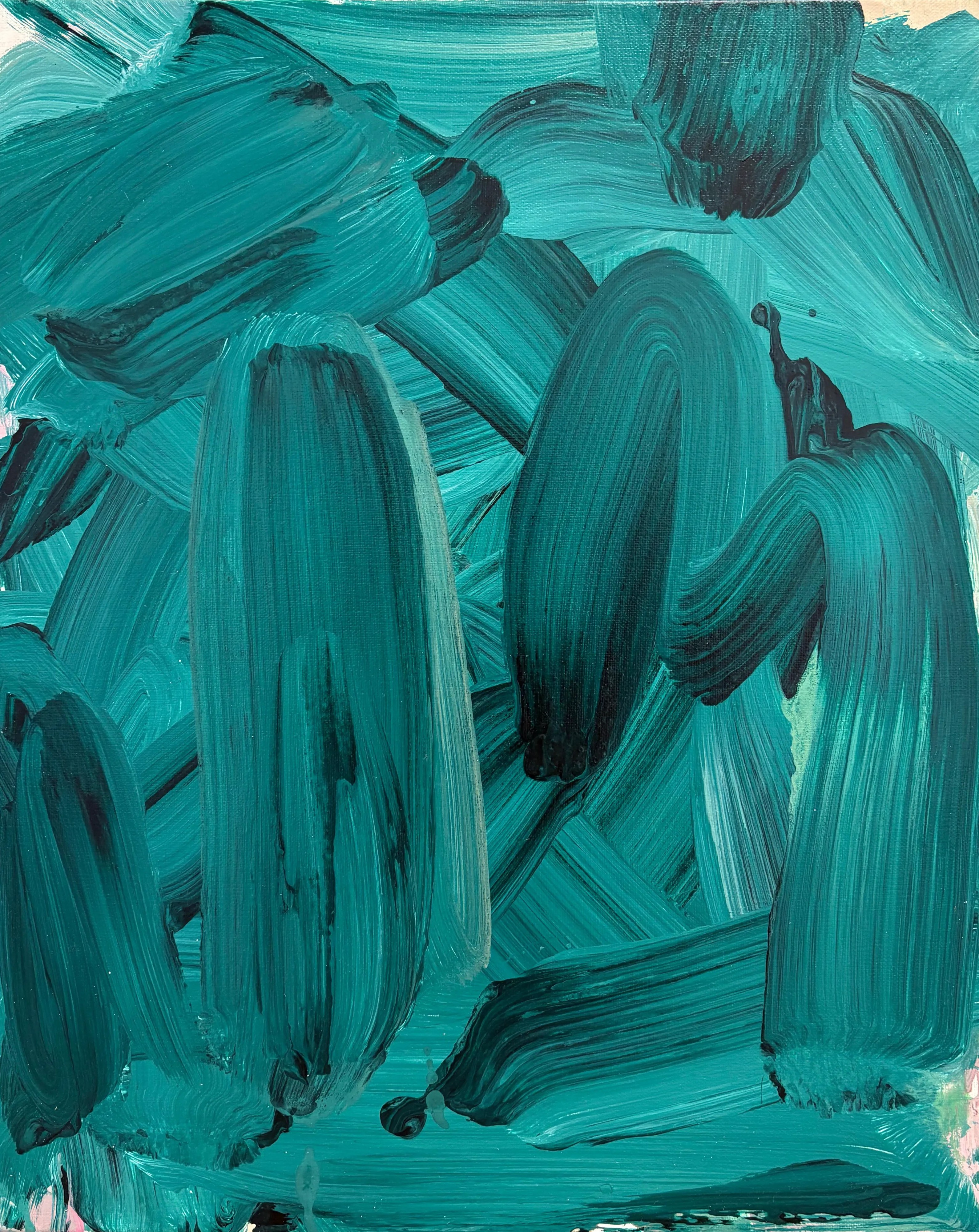
Marcus Aitken, Visc III, 2026, acrylic and oil on canvas, 56 x 46 cm. Image courtesy of the artist.
Using auctions to create viral content - Claire Salvo and Starting Five
At The Auction Collective, we’ve seen an increase in artists blending real-world events and auctions to capitalise on viral content. In May 2026, artist Claire Salvo began creating a series of reels showing her painting the New York Knicks starting 5 players on one dollar bills. Presented to her 90-thousand followers, these work-in-progress videos were posted during the Knicks NBA Championship campaign and quickly went viral across Instagram, even being picked up by external media outlets such as Complex Sports (1.2 million followers).
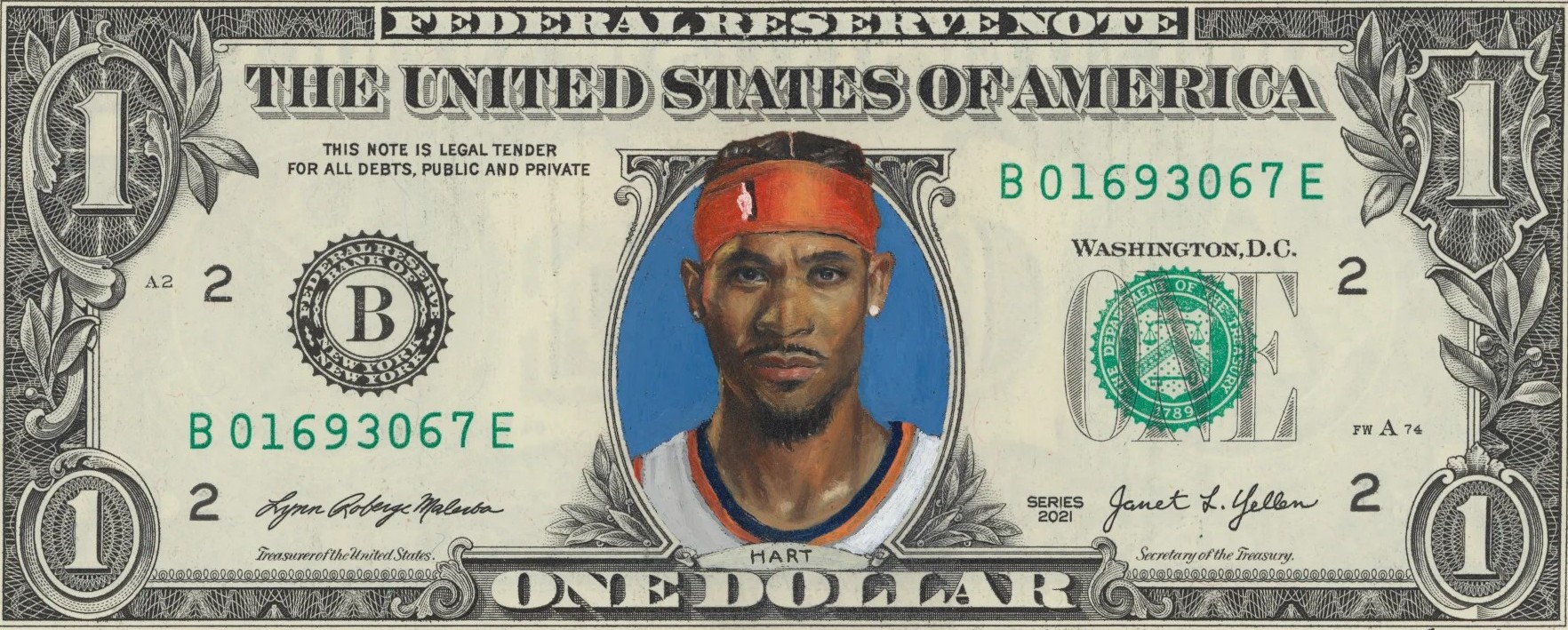
Salvo amplified this exposure by announcing an online auction of the original works to her followers, which coincided with a print-sale of editions of the bills. Like Jobey Hon, Salvo increased follower engagement by posting pictures of the bills around New York City to further situate her artwork in a real life context.

Using the single-lot auction template on Indy.auction, Salvo presented her work on a dedicated auction website and used Indy’s customisation tools to produce an auction page which matched the branding of her own website. Timing was a key factor in the Starting Five auction, with the auction starting during the last few games of the NBA championship and closing after the final, which capitalised on the excitement surrounding the Knicks. Bids coincided with Knicks wins, and eventually resulted in $7,500 for the set of bills.
By using Indy.auction, Salvo was able to access and own her bidder data. This meant that she could contact the underbidders and direct them to the print sale on her website, thus increasing her revenue. Owning bidder data also has the invaluable benefit of increasing an artists collector base, as artists like Claire Salvo can contact past bidders for future sales and auctions.
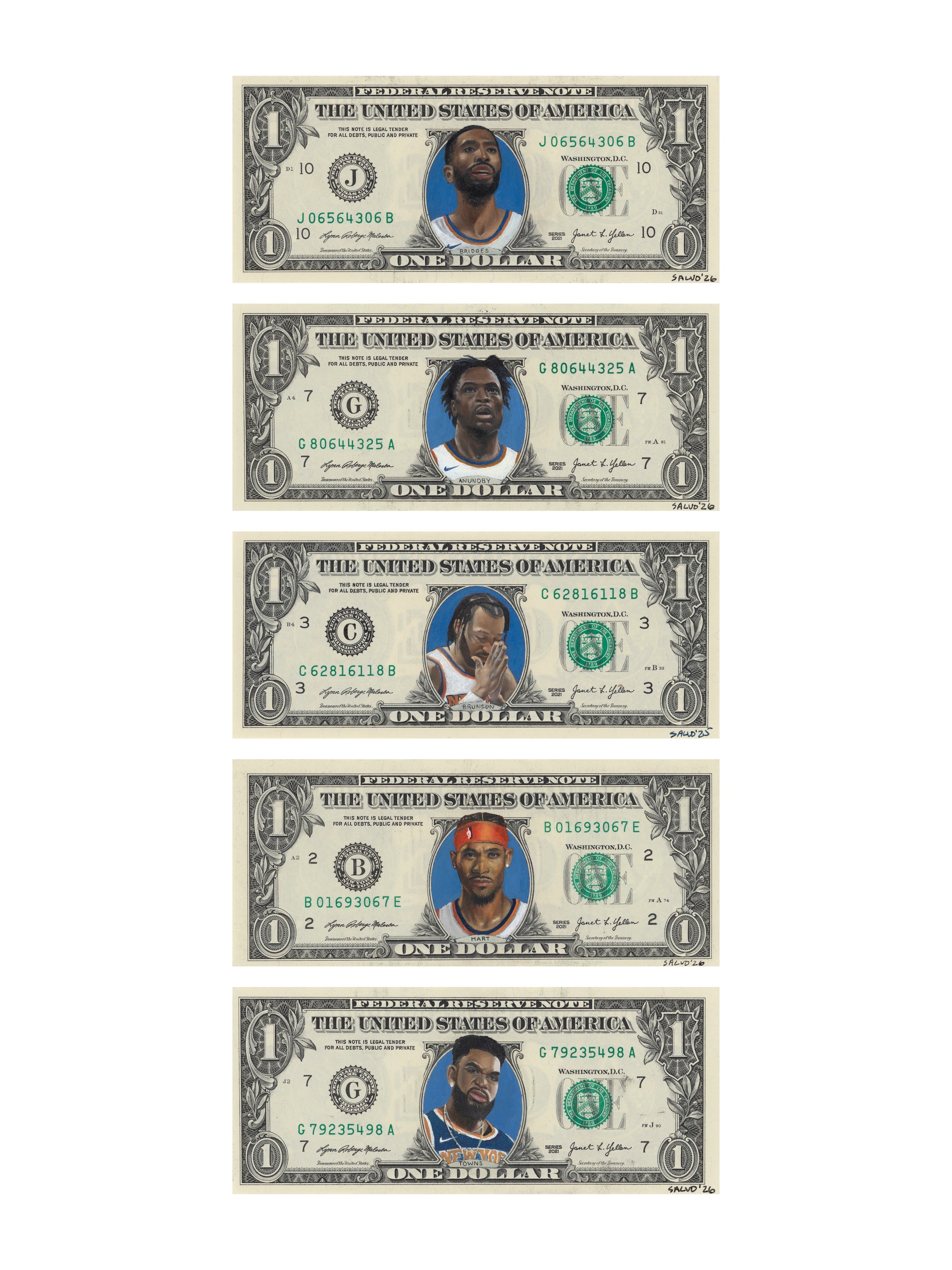
Claire Salvo, Starting Five, 2026, acrylic on dollar bills. Image courtesy of the artist.
Using auctions to create a dedicated sales platform
As this article has established, Instagram in particular has become an essential part of marketing and collector engagement for the modern artist. Social media now functions beyond just being an online portfolio, it serves as an important tool for sales - which some artists undertake directly through the platform.
David Ambarzumjan took this one step further, and ran a series of auctions on Instagram. With a huge following of over 600,000, David has a large active audience who love his work, and he created a separate Instagram account specifically to host auctions on. His auction format matched the simple structure of Instagram; Ambarzumjan would post a photo of the work and his followers would bid by commenting. Although David made sales through this process, there were many limitations to this structure:
Complicated bidding: Instagram comments aren’t shown in chronological order, so if they haven’t checked through all the comments, a user could post their bid without realising that they’re already underbid.
No bidder registration: without bidder registration there was no way for David to verify bidders, meaning that a user could comment but not actually have any intention of buying.
Difficult payment collection processes: rather than using a platform which streamlines payments, David had to manually manage payment collection and keep track of late payments.
The limitations of running auctions on Instagram led David to create a dedicated auction page with Indy.auction. By using this software, David was able to produce a professional auction platform which fixed the problems he faced on Instagram.
Fully customised auction page: Indy.auction is a white-label auction software, meaning that David could create a professional, dedicated auction page which matched his branding. For Brushstrokes in Time, David used his own logo, added his own website links, and customised the auction’s colour palette, to create an auction page which was entirely his own.
Ambarzumjan was able to choose from 3 auction templates, which work seamlessly across different devices, enabling him to easily share his auction. David also used a custom subdomain, with no third party branding which he shared across Instagram.
Streamlined bid management: Indy.auction clearly displays registered bidders, active bidders, and bid history within the seller dashboard. The platform also shows the winning bidder and under bidders, allowing David to stay on top of the auction’s progress from start to finish.
Efficient payments and post-sale operations: the Sales tab of Indy.auction allowed David to easily review payments. The platform automates secure payments via PayPal, Stripe, or bank transfer, and displays the payment type and status. David could also send payment reminders through the platform to his bidders, if needed, making the post-auction process efficient and simple.
David’s auction with Indy.auction was a resounding success, achieving a total of €21,000 for two original paintings. Both pieces started at €100, and attracted a flurry of competitive bidding over 6 days. The auction had 61 registered bidders, meaning that these were all contacts that David could export to his mailing list for collectors, effectively growing his audience for future auctions.

Like David, another artist with a large social following also looked to Indy.auction for a white-label auction solution. With nearly 2 million Instagram followers, Werner Bronkhorst has become one of the most well-known artists on social media. His work-in-progress videos showcasing his unique style regularly go viral, and Bronkhorst’s success on social media has translated into collections of his work being shown in solo exhibitions around the world.
In January 2026, Bronkhorst debuted the ‘CRACK’ collection, made up of 33 paintings for a solo exhibition in Dubai. 12 of the paintings were for sale via an online drop, and all of the work sold out within 20 minutes. Werner withheld 4 of the paintings from the CRACK series, and produced an auction of the final pieces from the collection with Indy.auction.
The CRACK auction presented the final four works of the series within a unified, time-sensitive release. Werner promoted the auction across his Instagram, emphasising the auction as a last-chance to acquire one of Werner’s pieces. The event concentrated demand across his international collector base to drive participation through a single digital destination.
Werner also utilised the manual approval bidder registration method on Indy.auction. This meant that he could manually review each bidder, giving Bronkhorst full control over who participated in the high-value auction. This effectively provided Werner with a pre-vetted list of qualified bidders, the data of which he could export and add to his mailing list.
By hosting the auction alongside a solo exhibition, Werner effectively amplified the existing buzz around the CRACK collection. By capturing Werner’s audience in this way, the auction had the invaluable benefit of identifying followers which had high potential to become collectors, effectively converting social media engagement into an owned database of qualified contacts.

Werner Bronkhorst, Caravan Life, 2025, acrylic gel and acrylic on canvas, 180 x 120 cm. Image courtesy of the artist.
Conclusion
As this article has explored, online auctions work especially well for artists who have built an engaged social following. From Jobey Hon’s teaser-led campaign to Alvarog’s gamified keyword reel, Claire Salvo’s well-timed Knicks series, and Werner Bronkhorst’s last-chance CRACK release, each artist used the auction as content: something followers could watch, share and take part in, rather than a sales pitch.
The case of David Ambarzumjan shows why the platform matters as much as the format. Running auctions through Instagram comments proved popular but difficult to manage, while a dedicated, branded auction page gave him verified bidders, streamlined payments and a contact list of registered bidders to build on.
That last point is the real long-term value. Each auction delivers an immediate sale, but it also turns passive followers into an owned database of high-intent collectors, ready for the next release. For artists with an audience and a clear opportunity to sell, the auction is no longer just a sales mechanism but a lasting way to grow a collector base.
Auctions provide unique advantages over traditional fixed-price stores, marketplaces, or direct messaging sales:
The Auction Collective provides end-to-end auction management and advisory services tailored to help artists create auctions with our white-label auction software Indy.auction. Contact us today here, or get started with creating your auction by signing up to Indy.auction.
Keep reading

Providing auctioneers, auction software, and auction management services for commercial and charity fundraising auctions since 2017. Copyright The Auction Collective 2026
.svg)


.png)
.png)


.svg)